

Light Therapy for Kissing Spine in Horses: Benefits and Techniques Explained

Updated: Jul 6
Kissing spine is a common and painful condition affecting many horses, causing discomfort and limiting their performance. Traditional treatments often involve medication or surgery, but alternative therapies like red light and near-infrared light therapy are gaining attention for their potential to relieve pain and promote healing in a non-invasive, low risk way. This post explores how these light therapies work, their benefits for horses with kissing spine, and practical advice for owners considering this treatment.
Key Takeaways
Red and near-infrared light therapy cannot cure kissing spine by itself, but it can relieve pain, reduce muscle tension, and modulate inflammation.
It works best alongside veterinary care, corrective exercise, and proper saddle fit.
Consistent treatments over several weeks generally produce the best results.

Understanding Kissing Spine in Horses
Kissing spine, also known as overriding dorsal spinous processes, occurs when the bony projections atop the horse’s spine come too close or touch each other. This causes inflammation, pain, and sometimes nerve irritation. Horses with kissing spine often show signs such as:
Back pain and sensitivity
Reduced performance or reluctance to move
Behavioral changes like irritability or resistance to saddling
The condition can result from genetics, poor saddle fit, trauma, or repetitive strain. Managing kissing spine requires a combination of pain relief, corrective exercise, and sometimes surgery. Light therapy offers a non-invasive option that supports healing and reduces discomfort.
How Red Light and Near-Infrared Light Therapy Work
Red light therapy (RLT) and near-infrared light therapy (NIR) use specific wavelengths of light to penetrate the skin and tissues. These wavelengths stimulate cellular processes that promote healing and reduce inflammation.
Red light typically ranges from 620 to 700 nanometers and penetrates the skin to a shallow depth.
Near-infrared light ranges from 700 to 1100 nanometers and penetrates deeper into muscles and joints.
Both types of light stimulate mitochondria in cells, increasing production of adenosine triphosphate (ATP), the energy source for cellular repair. This process enhances blood flow, reduces oxidative stress, and encourages tissue regeneration.
Benefits of Light Therapy for Kissing Spine
Several studies and expert opinions highlight the potential benefits of red and near-infrared light therapy for horses with musculoskeletal issues like kissing spine:
Pain relief // Light therapy reduces inflammation and modulates nerve activity, which can decrease pain signals. A 2020 study published in the Journal of Equine Veterinary Science found that horses treated with near-infrared light showed significant reductions in back pain, muscle tension, and trunk stiffness.
Improved healing // By boosting cellular energy, light therapy accelerates repair of damaged tissues, including ligaments and muscles around the spine.
Non-invasive and drug-free // Unlike medications, light therapy has minimal side effects and can be used alongside other treatments.
Enhanced blood circulation // Better blood flow helps remove waste products from inflamed areas and delivers nutrients essential for healing.
Scientific Evidence Supporting Light Therapy
Research on light therapy is growing. Some notable examples include:
A 2016 study in J Biophotonics showed that near-infrared light improved muscle mass gains and reduced oxidative stress after exercise.
A 2023 study in Animals (Basel) found that laser therapy was associated with improved back palpation scores in horses with and without a kissing spine diagnosis.
Clinical reports indicate that horses with back pain respond well to regular sessions of red and near-infrared light therapy, showing improved range of motion and reduced sensitivity.
While more large-scale studies are needed, current evidence supports the use of light therapy as a safe and effective tool for managing kissing spine symptoms.
In my work as an equine sports massage therapist, horses with kissing spine often present with significant muscle tension along the epaxial muscles in addition to pain originating from the spine itself. Light therapy, specifically near-infrared wavelengths, can be effective in reducing this tension. Learn more about signs of myofascial pain in horses.
Practical Tips for Horse Owners Considering Light Therapy
If you are thinking about using red or near-infrared light therapy for your horse’s kissing spine, here are some important points to keep in mind:
Choosing the Right Device
Look for devices specifically designed for veterinary or equine use.
Ensure the device emits wavelengths in the red (620–700 nm) and near-infrared (700–1100 nm) ranges.
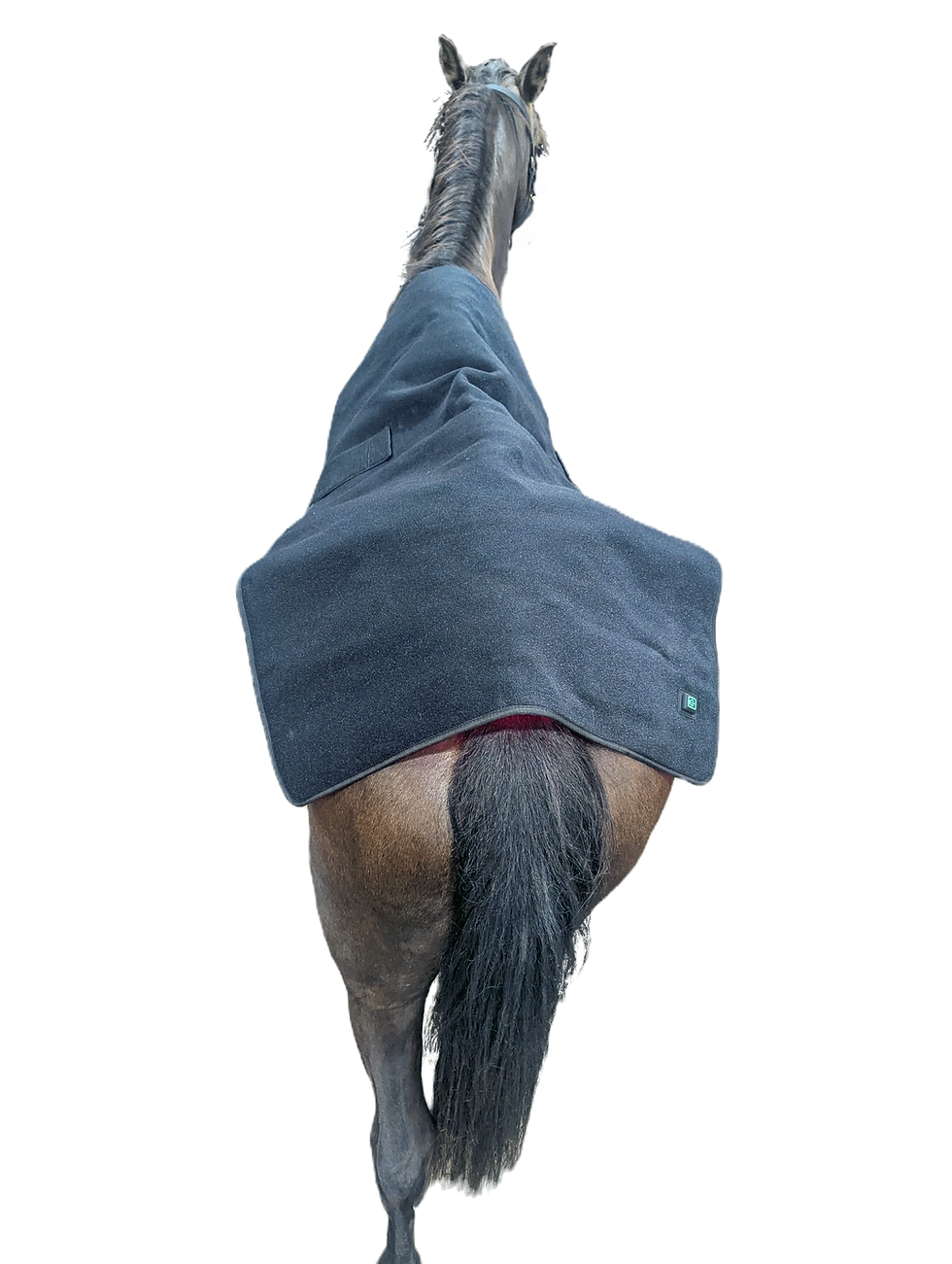
Consider a broad-coverage device that can treat the muscles along either side of the spine, which often become hypertonic and sore in horses with kissing spine. The GlowLine Core Large Light Therapy Pad and GlowLine+ XL Blanket are made specifically to alleviate soreness and tension in horses with back dysfunction.
Application Methods
Clean the horse’s back area before treatment to remove dirt or sweat.
Apply the light therapy device directly over the affected spinal area, and ideally the epaxial muscles on either side of the spine.
Treatment sessions typically last 10 to 20 minutes, depending on the specifications of the device and the horse's condition severity.
Frequency can range from 2 to 5 times per week, but follow your veterinarian or equine therapist's advice.
Safety Precautions
Avoid shining the light directly into the horse’s eyes.
Monitor the horse for any signs of discomfort during treatment.
Do not use light therapy on open wounds or infected areas without veterinary guidance.
Always follow manufacturer instructions and consult your vet before starting treatment.
A Holistic Approach Is Best
Light therapy is a highly versatile tool that can easily fit in as part of a broader management plan. For best results, consider combining it with:
Proper saddle fitting to reduce spinal pressure
Controlled therapeutic exercise and rest periods
Pain management medications if prescribed
Equine bodywork modalities like massage, chiropractic, and/or acupuncture
For more information, refer to the Red Light Therapy for Horses: Best Practices Guide.
Signs your horse may benefit from light therapy
sore epaxial muscles (back muscles)
reluctant to lift back
muscle guarding
stiffness after work
difficulty bending laterally
sensitivity during grooming
What to Expect During Treatment
Once horses are accustomed to the device, they often show signs of visible relaxation during red light therapy sessions. Long term, owners often notice gradual improvements in their horse’s comfort and mobility after consistent light therapy. The treatment is painless and non-invasive, making it well-tolerated by most horses. Keep a treatment log to track progress and share observations with your veterinarian.
Light Therapy vs Other Kissing Spine Treatments
Treatment | Helps Pain | Helps Healing | Invasive |
NSAIDs | Yes | No | No |
Steroid injections | Yes | Limited | Yes |
Surgery | Addresses anatomy | Yes | Yes |
Massage | Yes | Soft tissue | No |
Red light therapy | Yes | Supports repair | No |
Light Therapy for Kissing Spine - Conclusion
Red light and near-infrared light therapy offer promising benefits for horses suffering from kissing spine. By reducing pain and supporting tissue repair, these therapies provide a gentle, drug-free option that complements traditional veterinary treatments. Horse owners interested in this approach should consult with their veterinarian or equine therapist to develop a safe and effective treatment plan, as your horse's care team will know your horse's situation best.
This article was written by Tayla Howerton, ESMT. Tayla Howerton is a certified equine sports massage therapist, and founder of Northeast EquiWellness. She works with sport horses, pleasure horses, rehabilitation cases, and horses experiencing back dysfunction throughout New Jersey and the Hudson Valley.
Frequently Asked Questions
Can red light therapy cure kissing spine?
No. Red light therapy does not change the position of the dorsal spinous processes. However, it may help address secondary muscle tension, discomfort, and soft tissue dysfunction associated with the condition.
How often should I use light therapy on a horse with kissing spine?
Most horses with kissing spine benefit from red light therapy 3–7 times per week, depending on the severity of their symptoms and stage of rehabilitation. Many owners start with daily treatments for 2–4 weeks, then reduce frequency as the horse becomes more comfortable. Red light therapy works best when used consistently and as part of a holistic plan that may include veterinary care, corrective exercise, bodywork, and saddle fitting.
Can you use red light therapy after kissing spine surgery?
Yes, you can use red light therapy after kissing spine surgery. Following a surgical procedure, such as kissing spine surgery, which involves the surgical correction of a condition where the vertebrae in the spine touch or rub against each other, the horse's body undergoes a significant healing process, which can sometimes lead to swelling and pain in the affected areas. Red light therapy works by utilizing specific wavelengths of light that penetrate the skin and stimulate cellular activity. This stimulation can enhance the production of ATP (adenosine triphosphate), an integral source of cellular energy and regeneration. As a result, the horse may experience accelerated healing time, reduced inflammation, and an overall improvement in pain management.
What is the difference between using a light therapy blanket vs. a handheld laser for kissing spine?
An equine light therapy pad or blanket (like the GlowLine+ XL) is ideal for full-spine management because it covers large muscle groups simultaneously, allowing for passive relaxation of the entire back and topline during grooming. A handheld laser (like the TheraLine Class IV Laser) is better suited for deep, highly targeted treatment windows directly over specific pinpoint areas of bony impingement or intense localized muscle knots.
Which is better for kissing spine, shockwave therapy or red light therapy?
Both red light therapy and shockwave therapy can help manage discomfort associated with kissing spine, but they work differently. Red light therapy supports cellular repair, reduces inflammation, and relieves muscle soreness, making it suitable for frequent use as part of an ongoing rehabilitation program. Shockwave therapy uses acoustic waves to provide pain relief and stimulate healing and is typically performed by a veterinarian at longer intervals. Neither treatment can correct the underlying bony changes of kissing spine, but both can play a valuable role alongside veterinary care, corrective exercise, and proper saddle fit. In many cases, the two therapies complement each other rather than serving as alternatives.
Should I clip my horse's coat before red light therapy treatment?
In most cases, clipping is not necessary. Red and near-infrared light can penetrate through a typical horse's coat, although thick or dark hair may reduce the amount of light that reaches the tissues. For horses with very dense and wooly winter coats, clipping the treatment area can significantly improve light penetration and help maximize the effectiveness of each session. If clipping isn't practical, increasing the treatment time may help compensate for some of the light lost through the coat, but clipping is generally the better option when treating through a heavy winter coat.


Comments